

Overhead electric hoist
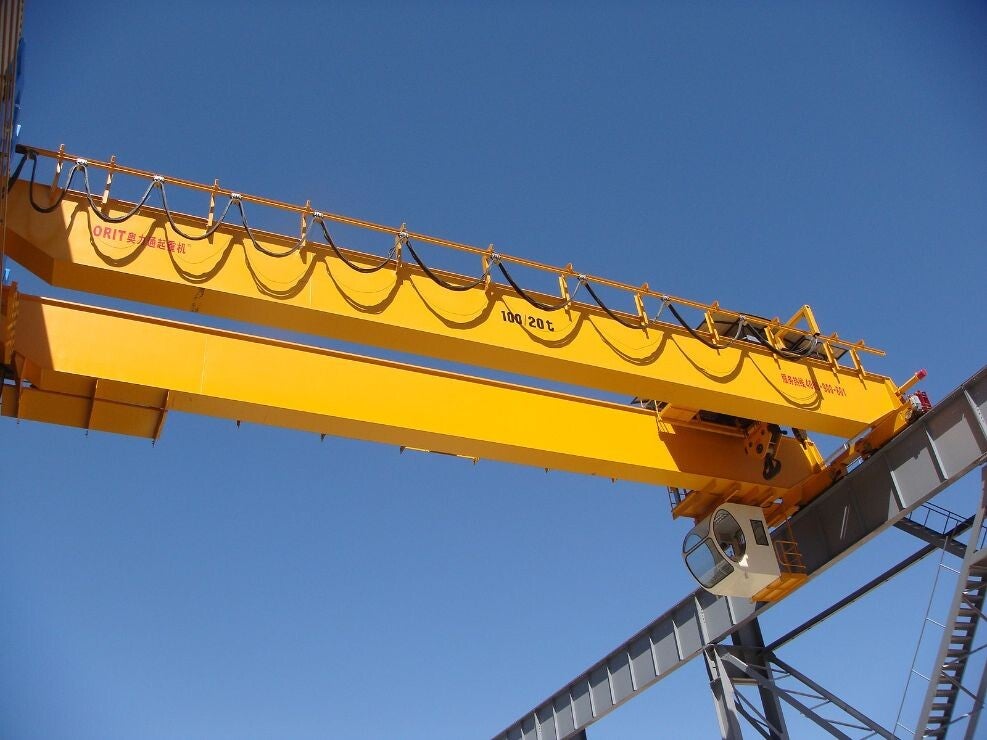
Overhead cranes and hoists are often grouped together, but they do different jobs.
Both are used to lift heavy loads, but knowing the difference can help you choose the right equipment. It can also make maintenance easier and help you explain any issues clearly when you need support.
Here’s a simple breakdown of overhead cranes and hoists.
The Main Difference Between Overhead Cranes and Hoists
The main difference is how they move a load. A hoist lifts and lowers a load only. An overhead crane can lift, lower, and move a load sideways.
An overhead crane is the larger system or framework. The hoist is fitted to the crane and does the lifting. It may be fixed in place or able to move along the crane.
A hoist is designed to lift heavy loads straight up and down. It works well when you only need vertical lifting, similar to an elevator.
An overhead crane gives you more control over where the load goes. It can move a load up, down, and across the workspace.
On an overhead crane, the hoist handles the up-and-down movement. The bridge and trolley move the load sideways.
Common Types of Overhead Cranes
Top Running Cranes
Top running cranes run on rails fitted to the top of the runway beams. The end trucks support the bridge and hoist as they travel along the rails. These cranes can have one or two girders. A double-girder crane can handle heavier loads, but a single-girder design may be enough for lighter work.
Underhung Cranes
Also called underslung cranes, these cranes run along the bottom of the runway beam. They usually have a single girder and are commonly used for lighter loads.
Gantry Cranes
Gantry cranes are supported by legs. The legs may run on wheels or rails set into the ground. They are often used outdoors or in areas where an overhead crane system is already in place.
Monorail Cranes
A monorail crane runs along one fixed track. The trolley carries loads between set points. This makes it a good option for repeated tasks, such as moving materials along a production line.
Common Types of Hoists
Hoists are usually grouped by three things: the lifting material, the power source, and how the hoist is mounted. Here’s a closer look at the main options.
Lifting Medium
The lifting medium is the flexible material between the hoist and the load hook. Common options include:
- Rope
- Wire rope
- Roller load chain
- Welded link chain
Hoist Power Options
Hoists can be operated by hand, compressed air, hydraulic power, or electricity. Here’s a quick overview of the most common types:
Manual Hoists
A manual hoist uses gears and pulleys to make lifting heavy loads easier by hand.
Wire Rope Hoists
Wire rope hoists are often used for heavier loads.
Electric Hoists
Electric hoists are powered by electricity and are useful when you need to lift loads regularly. It is important to choose a hoist with the right lifting capacity and duty rating for the job. Overloading it or using it too often can cause the motor to overheat.
Air Hoists
Air hoists use compressed air. They are a practical choice in workplaces that already have a compressed air supply, such as mines and small workshops.
The right power source depends on where and how you will use the hoist. For example, an air-powered hoist can be a good fit in a factory that already uses many air tools. In other settings, an electric or manual hoist may make more sense. Think about the type of work, load weight, and how often the hoist will be used.
Important Considerations for Your Lifting Equipment
Once you understand the difference between overhead cranes and hoists, it is important to keep your equipment in good condition. Learn how wire rope maintenance can help extend the life of your equipment. Proper wire rope care helps improve safety and reduce wear.
Regular inspections and lubrication can help prevent costly damage and keep your lifting equipment working for longer.
How to help your lifting ropes last longer:
Inspect Your Ropes Regularly
Check your ropes often for fraying, splits, wear, or other damage. Finding problems early can help avoid larger issues later.
Store Your Ropes Properly
Proper storage matters. Looking after ropes when they are not in use can help extend their working life.
Clean Your Ropes
Dust, mud, and